Quick Answer: Work Back from Cargo Pickup, Not February 6
Lunar New Year falls on Saturday, February 6, 2027. That is the confirmed calendar date. It is not a confirmed MerrisBags closure date, not a material-supplier cutoff, and not the last day a truck can collect export cartons. If you need a custom bag shipment out before the holiday, the safe decision is to set the required cargo-pickup date first and reverse-plan sample approval, material release, bulk sewing, final inspection and rework from there.
As a planning range, allow 4–6 weeks after all specifications are frozen for an unchanged repeat order, 8–12 weeks for a new standard sewn bag, and 12–16 weeks for a complex build with custom-dyed fabric, molded hardware, RF welding, multiple SKUs or market-specific testing. These are planning ranges, not a production promise. The written schedule for your order must be confirmed against material availability, line capacity, test requirements and the final logistics booking.

One Holiday, Four Different Calendars
The phrase “Chinese New Year shutdown” hides four schedules. Mixing them is how a buyer receives a reassuring date that cannot actually be met.
| Calendar | What it controls | 2027 status on Oct 7, 2026 | Who must confirm it |
|---|---|---|---|
| Lunar calendar | New Year's Day: February 6, 2027 | Confirmed | Published Gregorian-lunar calendar |
| Mainland public holiday | Statutory holiday and adjusted working days | Not yet published | State Council notice |
| Factory and supplier operations | Last material order, last cutting day, restart capacity | Project planning only | Factory plus every critical supplier |
| Logistics | Warehouse cutoff, truck pickup, customs and sailing | Booking-dependent | Freight forwarder or carrier |
The lunar date is available in the 2027 Gregorian-lunar conversion table. At the time of writing, the mainland policy database shows holiday notices only through 2026, so the detailed 2027 arrangement cannot honestly be presented as final. The practical factory closure will also be wider than the legal holiday because employees travel, subcontractors close on different dates and production needs a controlled restart.

The Reverse Plan: Seven Gates Before a Carton Can Leave
A purchase order does not start the sewing clock. The clock starts when the factory has a buildable, commercially released product: approved dimensions, a controlled sample, locked materials, final artwork, packaging instructions and a payment trigger that matches the agreement. Our bag tech pack guide explains what has to be defined before sampling; the sample approval checklist covers the physical reference set.
| Gate | Typical planning allowance | Evidence needed to close it | What makes it slip |
|---|---|---|---|
| 1. Specification freeze | 2–5 working days | Revision-controlled tech pack and BOM | Open dimensions, unapproved artwork, missing packaging |
| 2. Sample and revision | 2–4 weeks | Signed or sealed approved sample | New structure, several logo trials, courier delay |
| 3. Material release | 1–4 weeks | Supplier confirmation for fabric, trims and packaging | Custom dye, plated hardware, low stock, split colors |
| 4. Bulk production | 3–6 weeks | Dated line plan and in-process checkpoints | Complex sewing, many SKUs, late change |
| 5. Final inspection | 2–3 working days | Inspection report against agreed criteria | Goods not 100% finished or packed |
| 6. Rework buffer | 3–7 working days | Closed defect list and re-inspection record | No spare materials or operators already leaving |
| 7. Export handoff | 3–7 working days | Booking, carton data and pickup confirmation | Late warehouse cutoff, truck or space shortage |
These gates overlap only when the risk is controlled. A factory can reserve fabric while a color lab dip is being approved, but cutting before the color is approved transfers the risk to the buyer. It can tentatively hold a production line, but it cannot keep that line empty indefinitely while artwork changes. Speed comes from closing decisions, not from deleting QC.
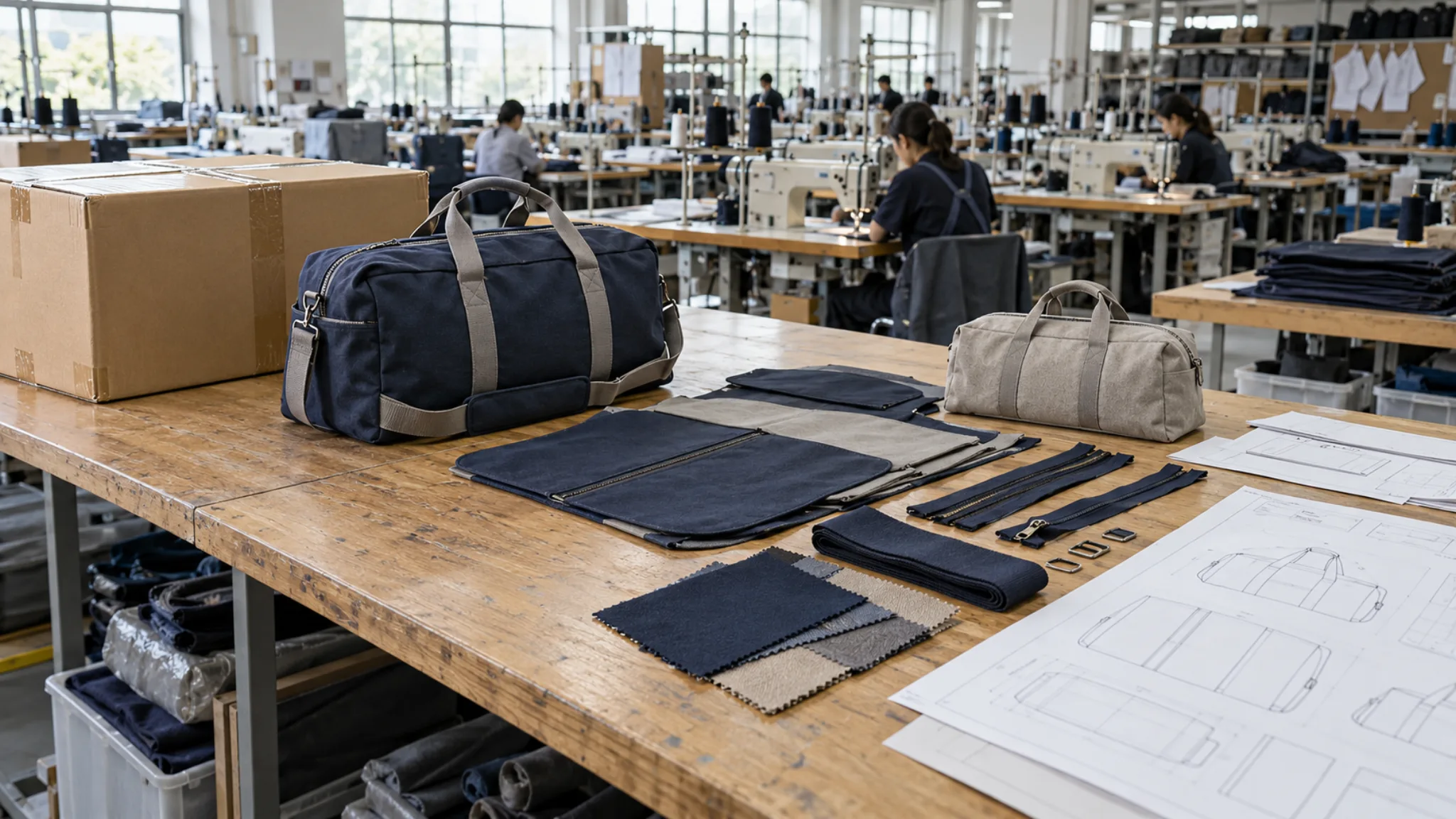
A Repeat Order, a New Style and a Complex Build Need Different Clocks
“It is only 1,000 pieces” is not a lead-time specification. A 5,000-piece repeat tote using stocked canvas may be simpler than 500 cooler bags with a custom liner, molded puller and six retail labels. Quantity matters, but novelty and dependency matter more.
| Order type | Planning range after release | Can qualify | Stops it qualifying |
|---|---|---|---|
| Unchanged repeat order | 4–6 weeks | Same pattern, sample, BOM, artwork and packing; materials available | New color, size, logo, zipper, label or carton |
| New standard sewn style | 8–12 weeks | Stock fabric, standard hardware, one or two sample rounds | Unresolved construction or many colorways |
| Complex or regulated build | 12–16 weeks or more | Complete spec, booked testing, confirmed specialist process | RF tooling, custom dye, molded parts, compliance gaps, multi-market packaging |
A repeat order should be checked against the last approved sample and BOM line by line. If the buyer changes a #5 zipper to a waterproof zipper, replaces polyester with rPET, adds a molded puller or splits the order into four colors, the material path has changed. Price and MOQ may change too; use our custom bag MOQ guide before assuming the old schedule still applies.
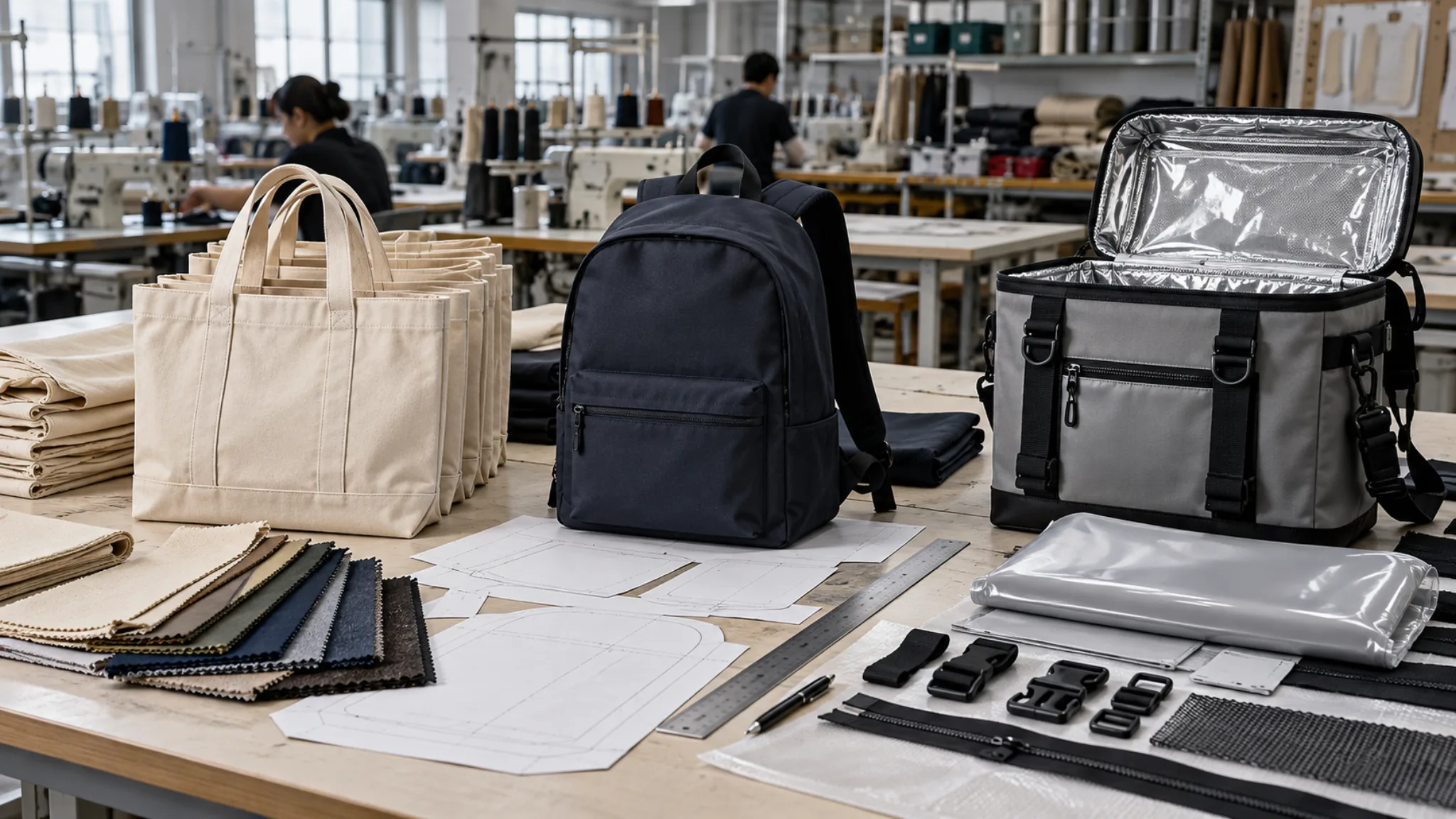
The First Real Shutdown Usually Happens in the Supply Chain
The sewing workshop is visible, so buyers watch its holiday notice. The invisible constraint is often a supplier two steps upstream. A fabric mill may accept only stock-color orders late in the season. A dye house may close its final custom batch. A zipper supplier may have tape but no matching slider finish. A packaging vendor may still print cartons but no longer have time for a color insert card.
For each critical component, ask four questions in writing: Is the exact material physically in stock? If not, what is the last order-acceptance date? When will it arrive at the bag factory? Is there an approved substitute? “Available” is not enough. It may mean the supplier can make it after the holiday.
- Fabric and lining: confirm composition, denier or weight, coating, color, usable width and lot quantity.
- Zippers and webbing: confirm gauge, tape color, slider type, length, tensile requirement and matching dye lot.
- Metal hardware: confirm dimensions, plating finish, color approval and corrosion-test requirement if relevant.
- Logo processes: embroidery thread, ink, patch, badge or mold must be approved on the actual production material.
- Packaging: labels, barcodes, polybags, inserts and export cartons have their own proof and print lead time.
Our bag fabric guide, color matching guide and logo process guide cover the decisions that must be locked before these purchase orders are released.
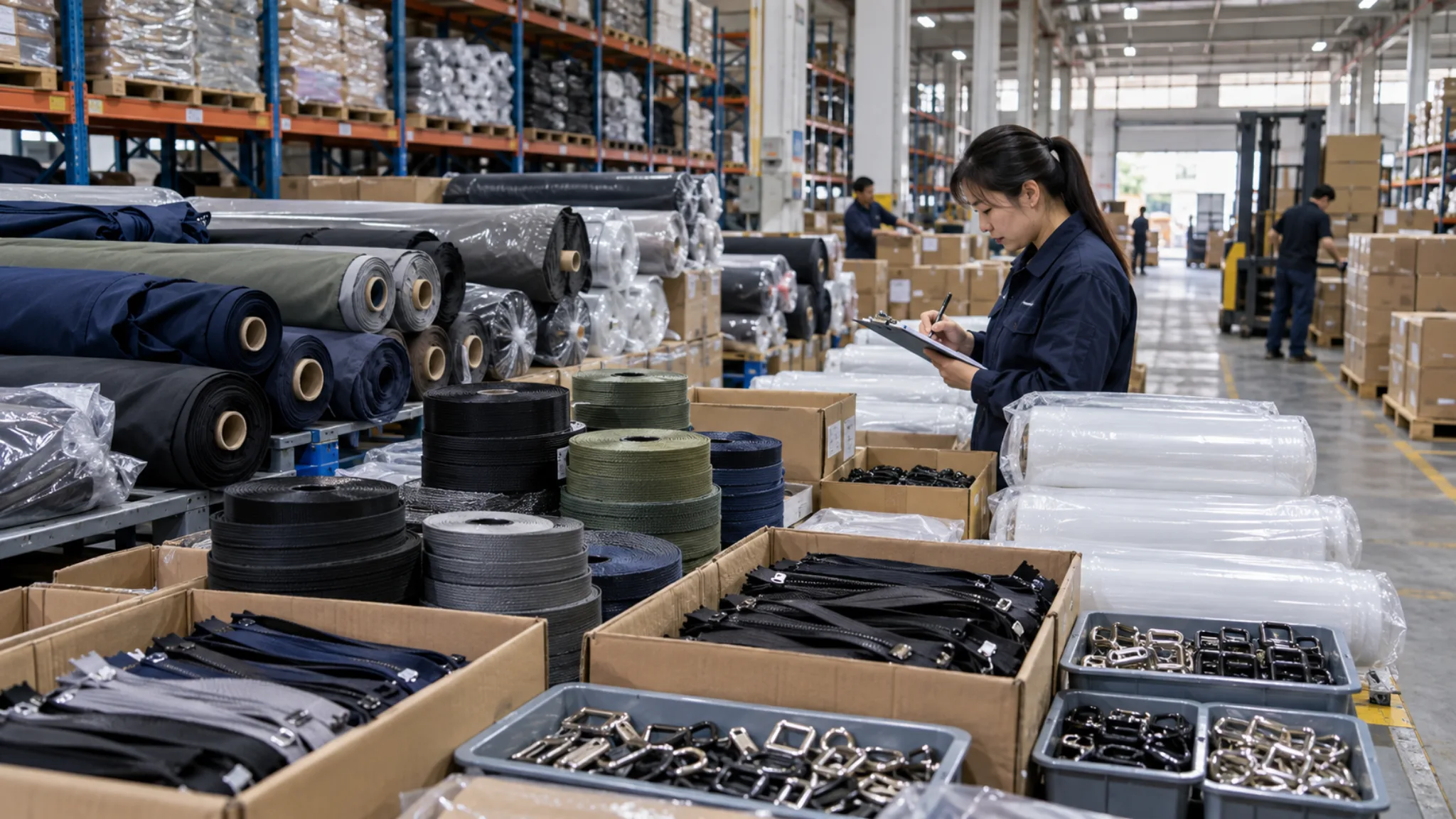
A Worked Planning Model for a January 15 Cargo Pickup
The table below is a worked scenario, not MerrisBags' confirmed 2027 closure plan. It shows how a buyer can reverse-plan a new, standard sewn bag if the forwarder requires finished cartons ready for pickup on January 15. The dates need to move when the product, quantity, tests or booking changes.
| Milestone | Worked date | Decision owner | Release evidence |
|---|---|---|---|
| Cargo pickup | Jan 15, 2027 | Forwarder + buyer | Confirmed truck and warehouse cutoff |
| Re-inspection complete | Jan 12 | Buyer/QC | Closed corrective-action list |
| Initial final inspection | Jan 7–8 | Buyer/QC | Inspection report |
| Bulk and packing complete | Jan 6 | Factory | 100% production and packing status |
| Bulk production window | Dec 1–Jan 5 | Factory | Line plan and in-process checks |
| Materials received and passed | By Nov 27 | Factory + suppliers | Incoming inspection and lot records |
| PPS and all artwork approved | By Nov 13 | Buyer | Signed sample and final files |
| First sample started | Late October | Factory | Complete tech pack and sample order |
The five working days between first inspection and cargo pickup are not wasted time. They are the repair window. Delete it and a failed zipper, wrong label or print shift becomes a commercial argument: accept it, air-freight it later, or miss the sailing. That is not an efficient schedule. It is a schedule with no exit.

Do Not Trade the Rework Window for a Faster Promise
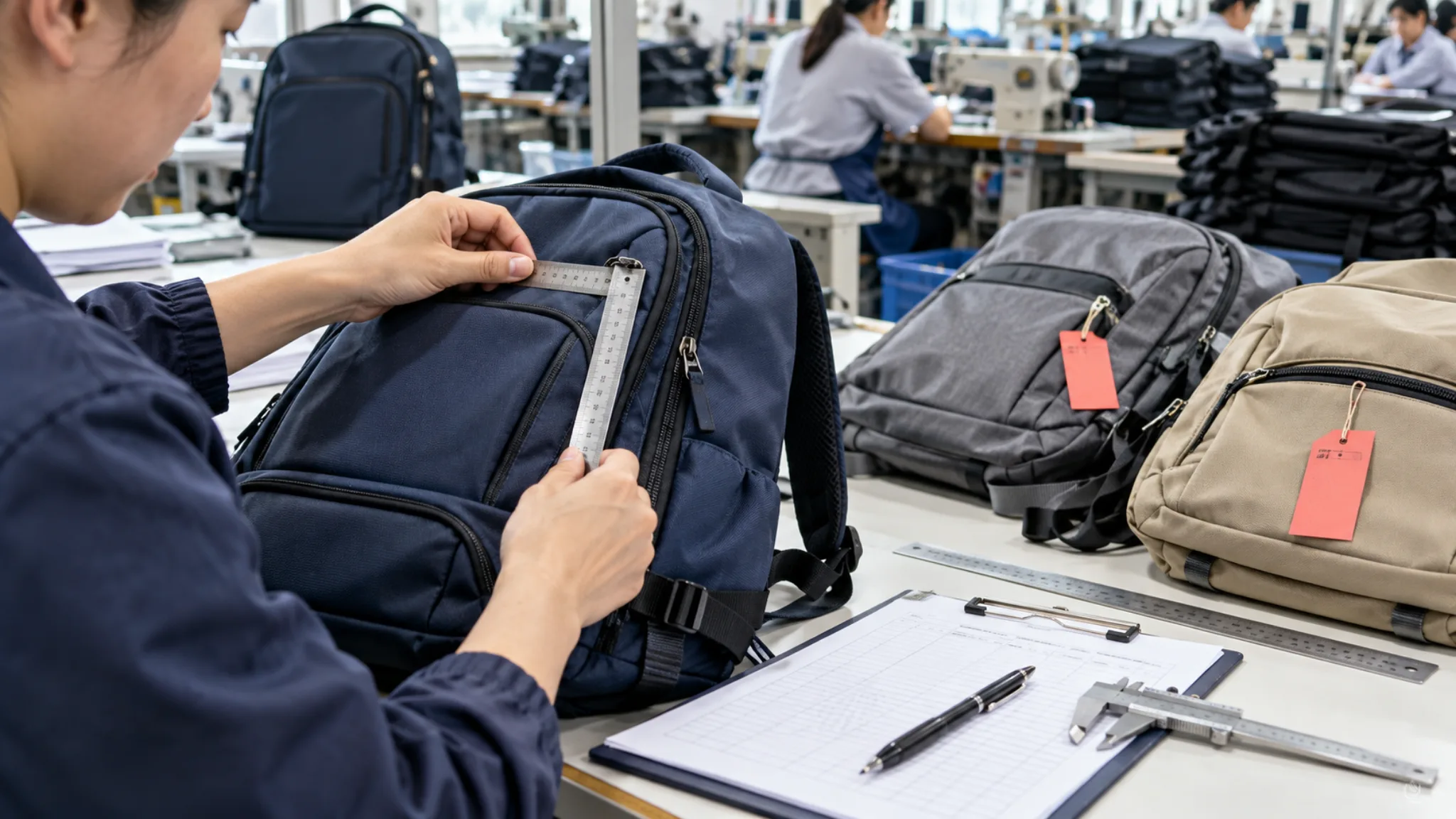
Pre-holiday quality problems are rarely dramatic. They are repeatable small defects: a zipper installed under tension, an embroidery shifted several millimetres, a lining caught in the seam, a care label from the wrong market, a barcode that does not scan or a carton count copied from another SKU. The danger is not only finding them. It is finding them after the operators, replacement material or printing vendor have already left.
Final inspection should happen when the agreed proportion of goods is finished and packed, under the sampling plan written into the order. AQL is not a substitute for a defect list, approved sample or functional test. Define what counts as critical, major and minor for the actual bag, then keep a dated path for rework and re-inspection. The wider system is described in our bag quality control process.
There is one rule we will not soften for a calendar: do not approve shipment or release a balance only because the holiday is close. Payment should follow the written commercial trigger. If a batch cannot be corrected before the cutoff, document whether it will remain sealed for post-holiday inspection, move as an approved split shipment, or be cancelled and remade. Our factory payment and supplier security guide shows how to tie payment nodes to evidence.
Factory Completion Is Not Export Completion
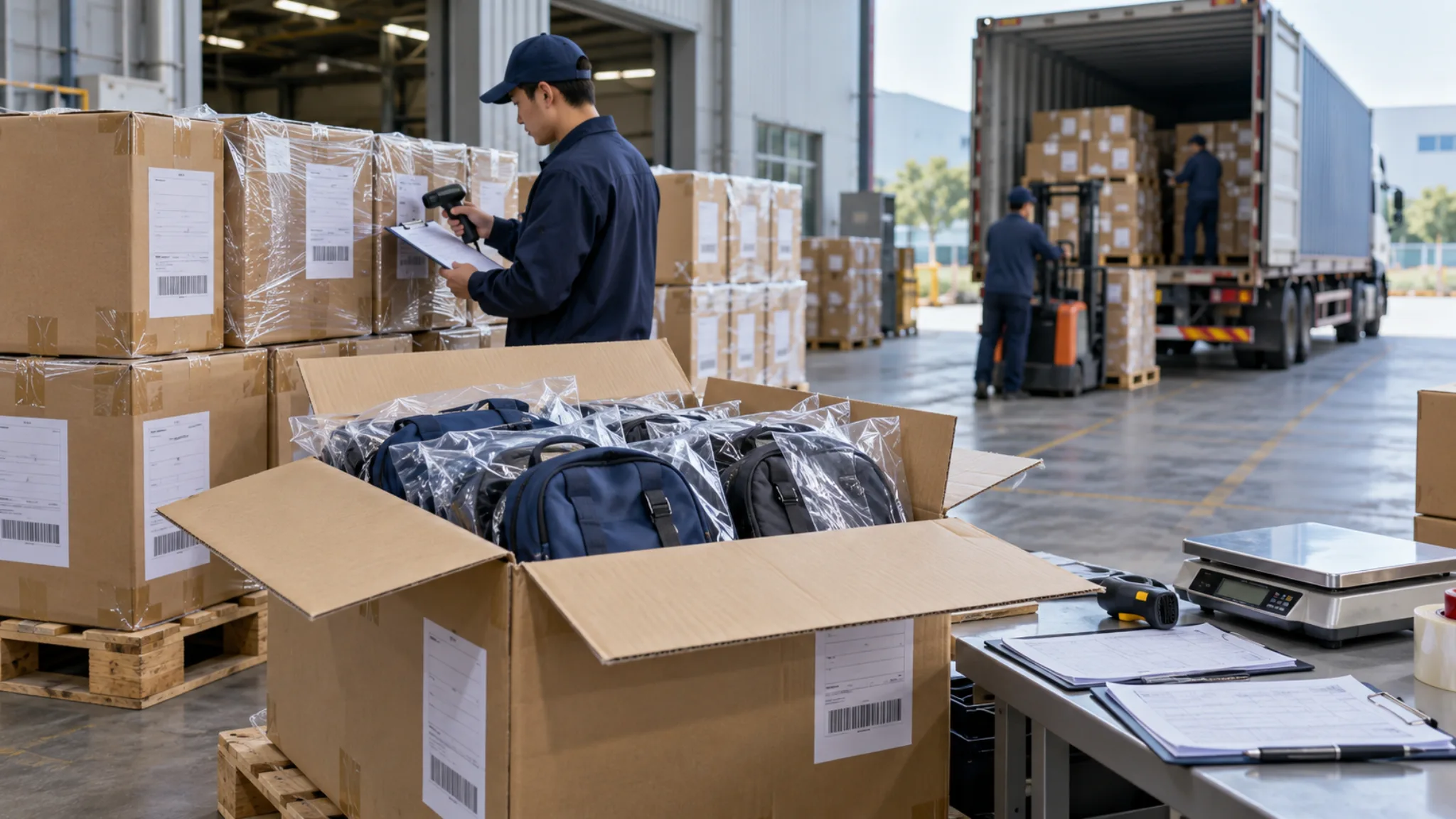
A bag can be finished, inspected and paid for yet still miss the intended departure. Before the final week, the forwarder needs carton quantity, dimensions, gross and net weight, pickup address, trade term and the date cargo will be ready. LCL cargo has a warehouse cutoff; FCL cargo has container release, loading and terminal cutoffs; air cargo has booking and security-screening windows. Peak demand can reduce available space even while ports remain open.
Ask the forwarder to confirm the cargo-received deadline, not only the vessel departure. Then add truck transit from Dongguan, customs documentation and a reasonable exception buffer. Incoterms decide which party controls each step. If that part is unclear, use our custom bag import and landed-cost guide before signing the order.
Post-Holiday Restart Is a Ramp, Not a Switch
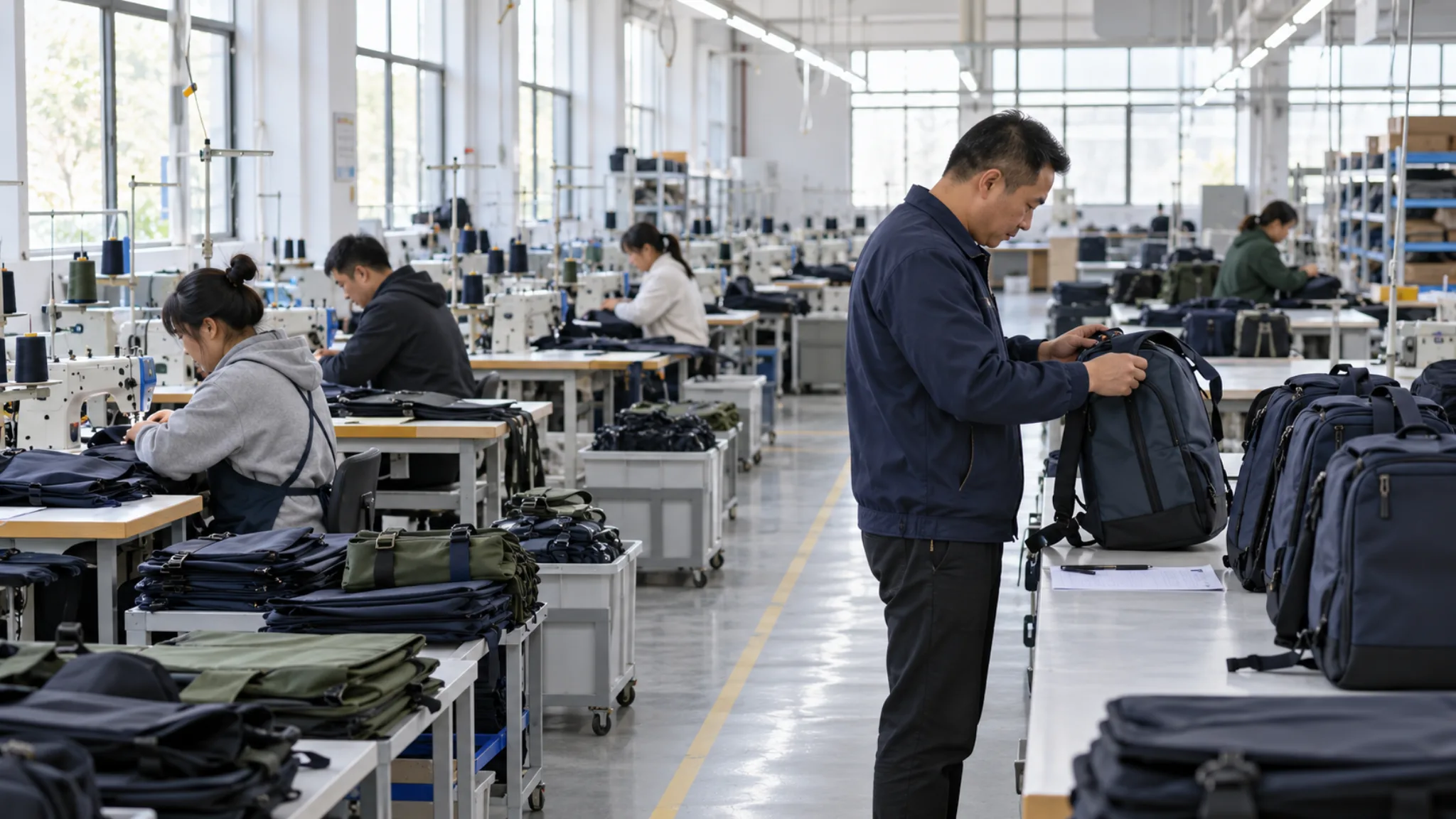
The first day a factory reopens is not automatically the first day every line is at full output. Production planners need to confirm which operators have returned, which suppliers are shipping, whether subcontract printing or plating is available and which unfinished orders have priority. The first-off pieces from a restarted line should be compared with the approved sample before output accelerates.
For a post-holiday order, ask for three dates: administrative reopening, material availability and the actual line-start date for your SKU. Then ask when the first completed units will be reviewed. A credible answer may include a ramp period. “Everyone is back tomorrow” is not a production control.
- Reconfirm the BOM and outstanding material balance.
- Check the first-off unit against the sealed sample.
- Repeat color, print and function checks after machine setup.
- Publish a revised completion date only after staffing and materials are known.
- Keep pre-holiday and post-holiday lots identifiable if one PO spans the break.
The Purchase-Order Release Checklist
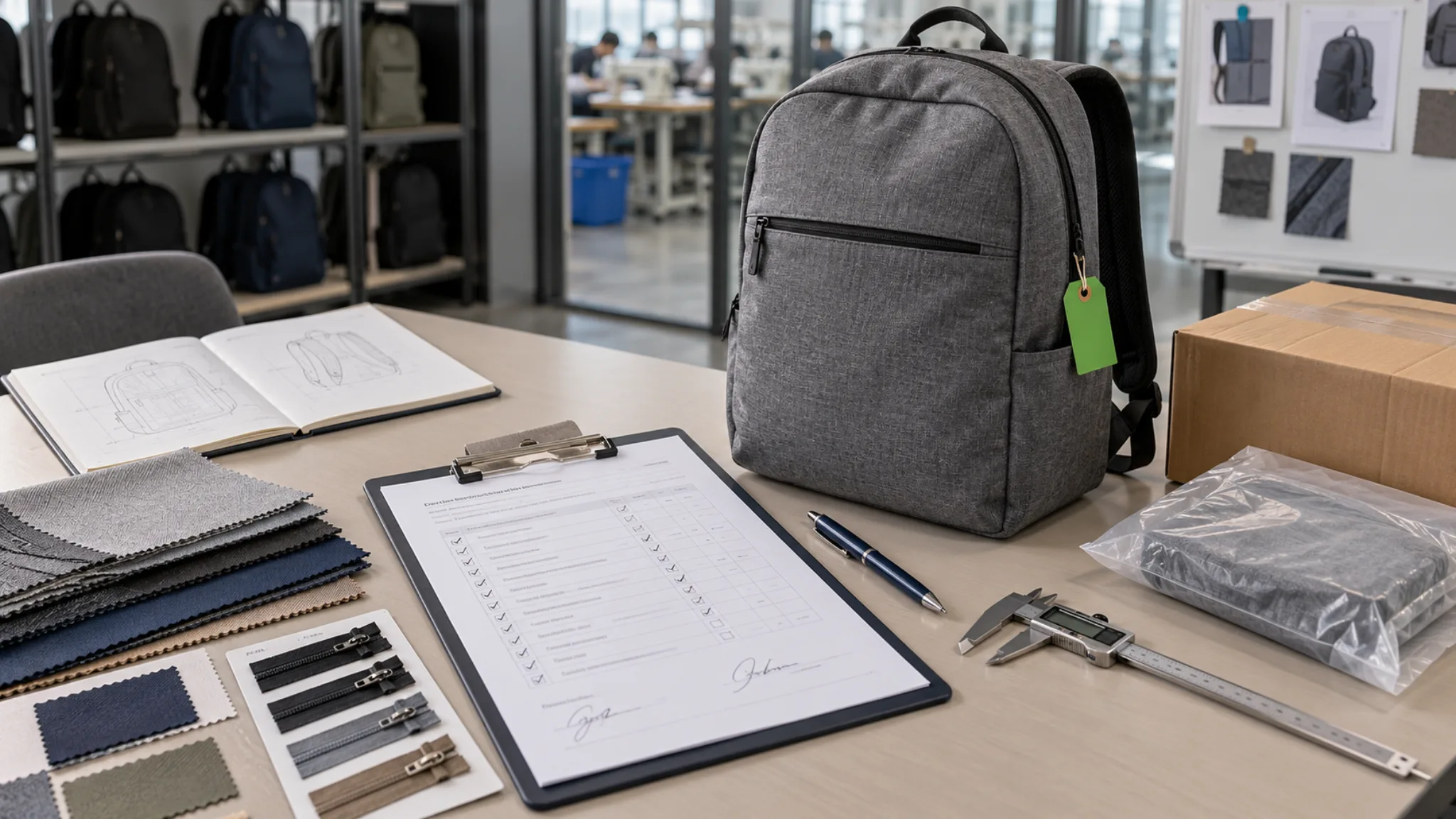
Before a time-sensitive order is released, put the schedule in one document that both sides can operate. Do not scatter the decisive dates across WhatsApp messages, quotation notes and a freight email.
| Item | Required entry | Owner |
|---|---|---|
| Product reference | Tech pack revision, BOM revision and sealed sample ID | Buyer + factory |
| Open approvals | Exact item, approver and deadline; no blank “TBC” at cutting | Buyer |
| Material commitments | Supplier, stock/custom status, order date and factory receipt date | Factory |
| Production window | Line start, inline review, completion and packing dates | Factory |
| Inspection | Inspection type, readiness threshold, defect list and sampling plan | Buyer/QC |
| Correction path | Rework owner, spare material and re-inspection date | Factory + buyer |
| Payment trigger | Document or milestone that releases each payment | Buyer + factory |
| Logistics handoff | Incoterm, pickup date, warehouse cutoff and required documents | Buyer/forwarder |
Frequently Asked Questions
What date is Chinese New Year in 2027?
Lunar New Year falls on Saturday, February 6, 2027. That date is confirmed by the Gregorian-lunar calendar, but it is not the same thing as a factory closure schedule. Mainland China's detailed public-holiday arrangement and each supplier's operating dates must be confirmed separately.
When should I place a new custom bag order for shipment before Chinese New Year 2027?
For planning, release a new standard style only after the sample, materials and artwork are approved, then allow 8 to 12 weeks before the required cargo pickup. A complex cooler bag, welded TPU or PVC bag, custom-dyed fabric, molded hardware or multi-SKU order needs more time. The actual commitment must come from a dated production schedule confirmed by the factory and material suppliers.
Can a repeat bag order be produced faster before the holiday?
Usually, but only when the approved sample, pattern, artwork and bill of materials are unchanged and the same materials are available. A repeat order stops being a true repeat when the buyer changes dimensions, fabric color, logo process, hardware or packaging. Confirm stock and capacity before paying a deposit.
Why can a factory stop accepting orders before its official holiday begins?
A bag factory depends on fabric mills, dye houses, zipper, webbing, hardware, printing and packaging suppliers. Those suppliers may stop accepting custom work before the sewing factory closes. The factory also needs time for final inspection, rework, carton booking and cargo pickup, so its last safe order date is earlier than its last working day.
Should I pay the balance before the holiday if inspection is not complete?
Do not release the balance only because a holiday is approaching. Keep the payment trigger tied to the written agreement, approved production status and required pre-shipment inspection. If the order cannot pass inspection in time, document whether it will be reworked, held for post-holiday inspection or shipped in an approved split lot.
Build a Dated Plan Before You Pay the Deposit
Send us the bag type, quantity by color, target market, approved artwork status and the date your forwarder must receive cargo. We will separate confirmed facts from planning assumptions, identify the material path and return a milestone schedule for sampling, material release, bulk, QC and export handoff.
Start with our custom manufacturing process, browse the relevant product category, or send the brief through the contact form. A credible pre-holiday answer is not “yes, we can rush it.” It is a dated sequence with named approvals, a rework window and a shipping event everyone defines the same way.
The factory holiday is visible on a calendar. The real risk sits earlier: an unapproved sample, a zipper supplier that has stopped taking custom colors, or a QC date with no days left to repair what it finds.