The fabric you choose for your custom bags is one of the most critical decisions in the manufacturing process. It affects not only the appearance and feel of your bags but also their durability, functionality, and cost. With so many options available, selecting the right material can be overwhelming.
In this comprehensive guide, we'll walk you through the key considerations and compare the most popular fabrics used in bag manufacturing today.
Key Factors to Consider
Before diving into specific fabrics, consider these essential factors:
Important Considerations
- Durability: How long does the material need to last? Will it withstand daily use?
- Weight: Lighter fabrics are better for tote bags, while heavier ones suit backpacks.
- Water Resistance: Does the bag need to protect its contents from moisture?
- Texture & Appearance: The look and feel contribute significantly to perceived quality.
- Sustainability: Are eco-friendly materials important to your brand?
- Cost: Material costs directly impact your product's final price point.
Popular Fabrics for Bag Manufacturing
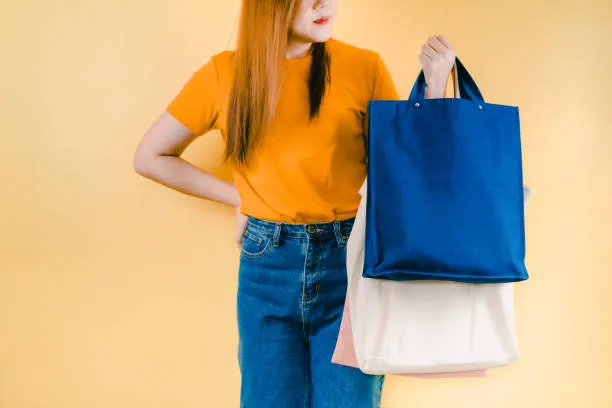
Canvas
Heavy-duty cotton fabric, perfect for casual and rugged bags.
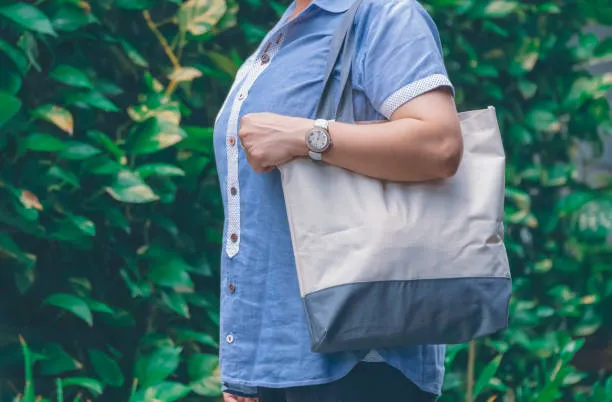
Polyester
Lightweight, durable, and water-resistant synthetic fabric.

Nylon
Extremely strong and lightweight with excellent water resistance.
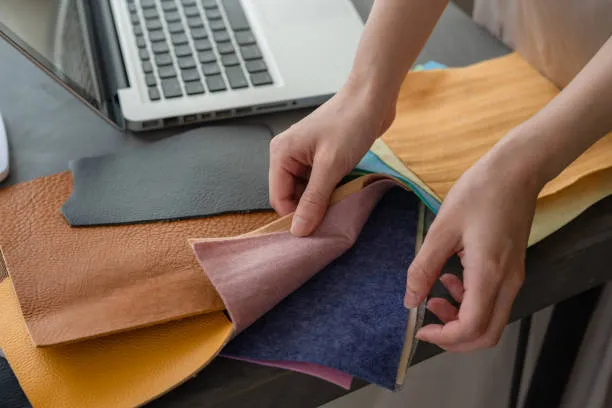
Leather
Premium material that develops character with age and use.
Detailed Fabric Comparison
| Fabric | Durability | Weight | Water Resistance | Best For |
|---|---|---|---|---|
| Canvas | Medium-Heavy | Low (unless treated) | Tote bags, duffel bags, casual backpacks | |
| Polyester | Light | High | Promotional bags, lightweight backpacks, shopping bags | |
| Nylon | Very Light | Very High | Travel bags, hiking backpacks, laptop bags | |
| Leather | Heavy | Medium (depends on treatment) | Premium handbags, briefcases, luxury accessories | |
| Recycled PET | Light | High | Eco-friendly bags, promotional items, grocery bags |
Special Considerations for Different Bag Types
Tote Bags & Shopping Bags
For everyday tote bags and shopping bags, consider lightweight yet durable materials like polyester or canvas. These fabrics offer a good balance of strength and cost-effectiveness. If sustainability is important to your brand, recycled PET or organic cotton are excellent choices.
Backpacks & Laptop Bags
Backpacks require more durable materials that can withstand weight and regular use. Nylon and heavy-duty polyester are top choices for their strength-to-weight ratio. For laptop compartments specifically, consider adding padding and water-resistant coatings.
Premium Handbags & Accessories
Luxury bags often use genuine leather or high-quality synthetic alternatives. Consider the grain, thickness, and finishing of leathers, as these significantly impact both appearance and durability. For vegan alternatives, high-quality PU leather or innovative materials like Piñatex (made from pineapple leaves) offer premium options.
"The right fabric choice can elevate your brand from ordinary to extraordinary. It's not just about durability—it's about telling your brand's story through texture and quality."
Sustainable Fabric Options
With growing environmental consciousness, sustainable fabrics are becoming increasingly popular:
- Recycled PET: Made from recycled plastic bottles, offering excellent durability and water resistance.
- Organic Cotton: Grown without synthetic pesticides, perfect for natural-looking bags.
- Hemp: Extremely durable and requires minimal water to grow.
- Cork: A renewable material with unique texture and water-resistant properties.
- RPET Felt: Made from recycled polyester, offering excellent padding and structure.
Making Your Final Decision
When choosing your fabric, consider ordering samples to feel the material firsthand. Discuss your specific needs with your Manufacturer —they can provide valuable insights based on their experience with different materials and production techniques.
Remember that fabric is just one component of your bag. Hardware, stitching, lining, and design all contribute to the final product's quality and appeal.
Quick Checklist
- Request physical samples of shortlisted fabrics
- Test for colorfastness and durability
- Consider how the fabric will age with use
- Factor in cleaning and maintenance requirements
- Verify minimum order quantities with suppliers
- Request quotes for multiple fabric options
By carefully considering your needs and understanding the available options, you can select the perfect fabric that balances aesthetics, functionality, durability, and cost for your custom bag project.