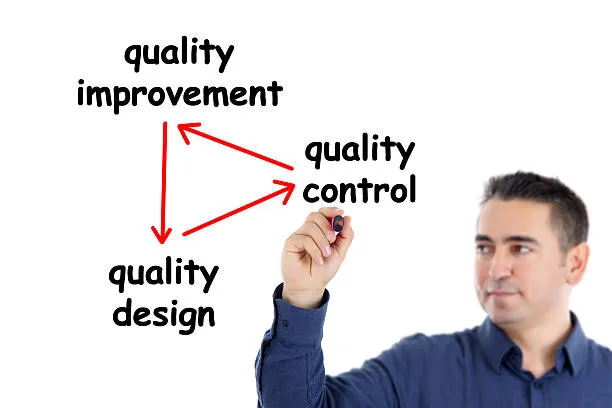
In bag manufacturing, quality control isn't just a final check—it's an integrated system that runs through every stage of production. At MerrisBags, we've developed a comprehensive 7-stage quality control process that ensures every bag leaving our factory meets the highest standards of craftsmanship and durability.
Why Quality Control Matters in Bag Manufacturing
Quality control is the backbone of successful bag manufacturing. It directly impacts customer satisfaction, brand reputation, and return rates. A single defect can damage a brand's image, while consistent quality builds customer loyalty and trust.
At MerrisBags, we believe quality should be built into the process, not just inspected at the end. Our approach focuses on prevention rather than detection, with multiple checkpoints throughout production to catch and correct issues before they become defects.
The 7-Stage Quality Control Pyramid
Our quality control system follows a pyramid structure with seven distinct stages, each building upon the previous to ensure comprehensive quality assurance:
Detailed Quality Control Stages
Stage 1: Incoming Material Inspection
Quality begins with materials. Before any production begins, all incoming materials undergo rigorous inspection:
- Color consistency and matching
- Fabric weight and thickness
- Water repellency testing
- Strength and tear resistance
- Zipper strength and smooth operation
- Buckle and snap functionality
- Metal component corrosion testing
- Weight and durability standards
- Color fastness testing
- Print alignment and clarity
- Embroidery tension and quality
- Material lot consistency
Stage 2: In-Process Quality Control
During manufacturing, our quality control team monitors every step to ensure consistency and catch issues early:
Measurement Tools
Digital calipers, measuring tapes, and templates ensure precise dimensions at every stage.
Inspection Lighting
Specialized lighting stations reveal stitching defects, fabric flaws, and alignment issues.
Tension Testers
Equipment to test thread tension, strap strength, and seam durability during production.
Stage 3-4: Assembly Inspections
Before and after assembly, each bag undergoes thorough examination:
Assembly Inspection Checklist
- Stitch density (8-12 stitches per inch)
- Thread tension consistency
- Straight and parallel stitching
- Reinforced stress points
- Pattern alignment across seams
- Symmetrical pocket placement
- Hardware alignment
- Bag shape and structure
- Zipper insertion and operation
- Pocket accessibility and size
- Closure mechanism function
- Lining attachment and fit
Stage 5: Functional Testing
Every bag undergoes rigorous functional testing to ensure it performs as intended:
Zipper Endurance Test
Each zipper is opened and closed 5,000 times to ensure smooth operation and durability.
Load Bearing Test
Bags are loaded with weights exceeding normal use (up to 3x recommended capacity) to test seams and straps.
Drop Test
Bags are dropped from various heights to simulate real-world use and test hardware attachment.
Stage 6: Final Visual Inspection
Trained inspectors examine each bag under standardized lighting conditions:
Common Defects We Eliminate
Our 7-stage process catches 99.7% of potential defects before they reach customers.
Stage 7: Packaging & Shipping Inspection
The final stage ensures perfect presentation and protection:
Packaging Quality
Checking for proper padding, dust bags, hang tags, and protective covers.
Labeling Accuracy
Verifying SKU numbers, size labels, care instructions, and country of origin labels.
Shipping Preparation
Ensuring proper boxing, palletizing, and documentation for international shipping.
Quality Standards Comparison
We offer three levels of quality control standards to match different market needs and price points:
| Quality Aspect | Basic Standard | Premium Standard | Luxury Standard |
|---|---|---|---|
| Inspection Stages | 3 stages (final only) | 5 stages (materials to final) | 7 stages (full pyramid) |
| Stitch Density | 6-8 stitches/inch | 8-10 stitches/inch | 10-12 stitches/inch |
| Hardware Testing | Visual inspection only | 500-cycle zipper test | 5,000-cycle zipper test |
| Defect Acceptance | AQL 2.5 (industry standard) | AQL 1.5 (higher standard) | AQL 0.65 (luxury standard) |
| Quality Badge | Basic | Premium | Luxury |
Our Quality Control Tools & Technology
Digital Magnification
High-powered digital microscopes for detailed inspection of stitching and materials.
Tension Meters
Digital thread tension meters to ensure consistent stitching throughout production.
Precision Scales
High-precision scales to verify material weights and ensure consistency.
Digital Checklists
Tablet-based inspection systems with digital checklists and real-time reporting.
Continuous Improvement in Quality Control
Quality control is not static. We continuously improve our processes based on:
Defect Analysis
Systematic analysis of defects to identify root causes and prevent recurrence.
Customer Feedback
Direct feedback from clients about quality issues or improvement opportunities.
Technology Upgrades
Regular investment in new inspection technology and training for our QC team.
"Quality control is not about finding defects—it's about building a system that prevents them from happening in the first place. Our 7-stage process ensures that by the time a bag reaches final inspection, it's already met hundreds of quality checkpoints." – Sarah Chen, Quality Control Director
Conclusion: Quality as a Competitive Advantage
In today's competitive bag market, quality is no longer optional—it's the foundation of brand reputation and customer loyalty. Our comprehensive 7-stage quality control process ensures that every bag we produce meets the highest standards of craftsmanship and durability.
By integrating quality control throughout the manufacturing process rather than just at the end, we catch issues early, reduce waste, and ensure consistent excellence across every production run. This approach not only results in better products but also creates more efficient manufacturing with fewer returns and higher customer satisfaction.
Whether you're producing basic promotional bags or luxury fashion items, the right quality control process makes all the difference. At MerrisBags, we're committed to providing the quality assurance that helps our clients build brands their customers can trust.