
Custom Combination-Lock Document & Cash Pouch — OEM
A flat document and cash pouch with twin zipper pulls and a three-dial lock. Develop dimensions, lock operation and identifiers through factory OEM/ODM sampling.
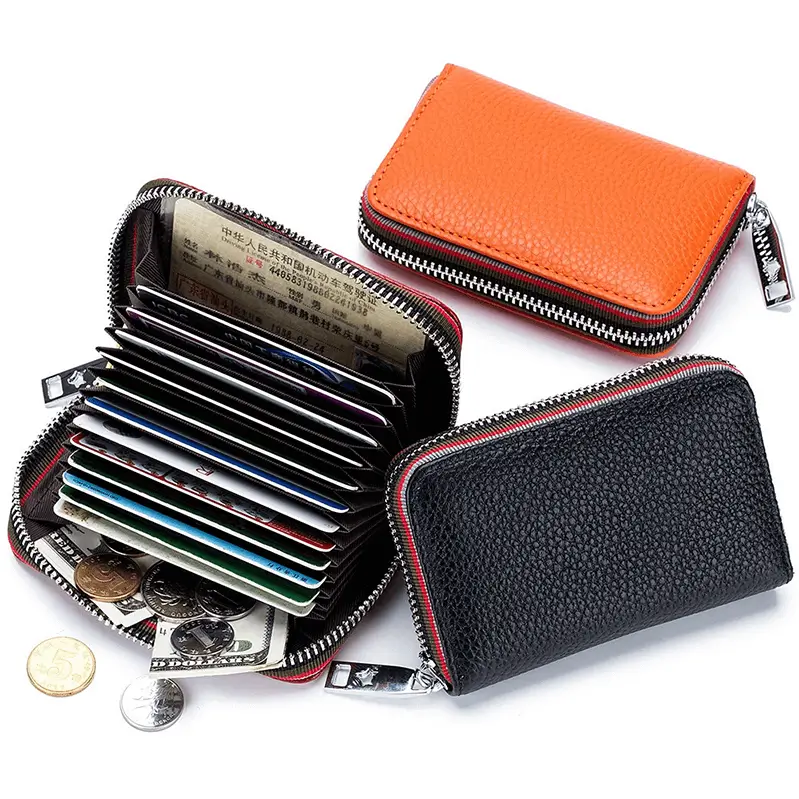
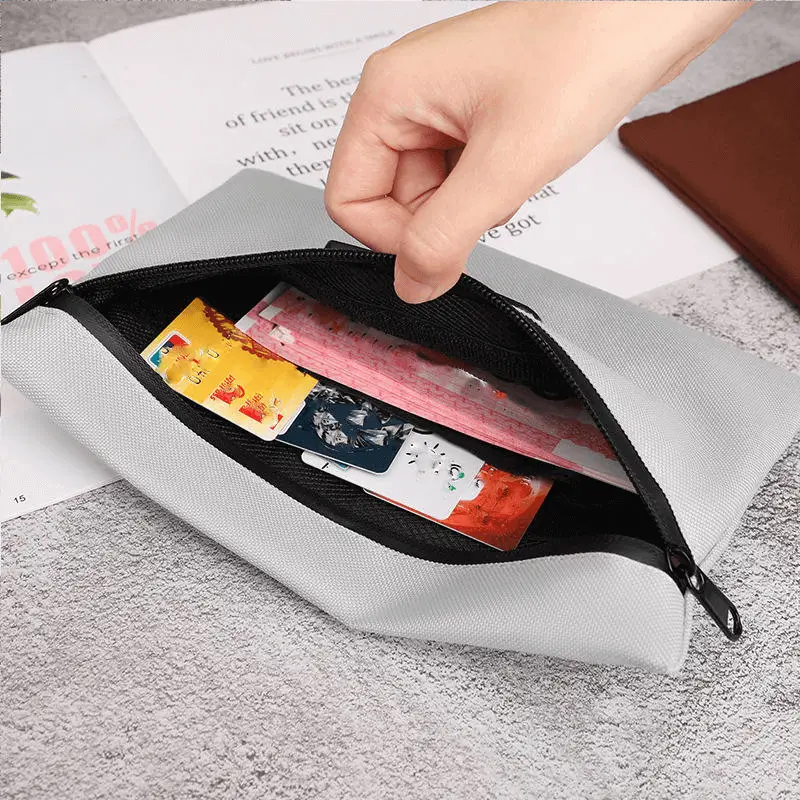
Specify the largest document or envelope, whether it must stay unfolded, and the maximum stack thickness. Test insertion through the zipper opening, not only against the external rectangle. The open photo illustrates notes and cards but does not establish A4, passport, laptop or a stated cash capacity. Record usable internal dimensions and filled closure on the approval sample.
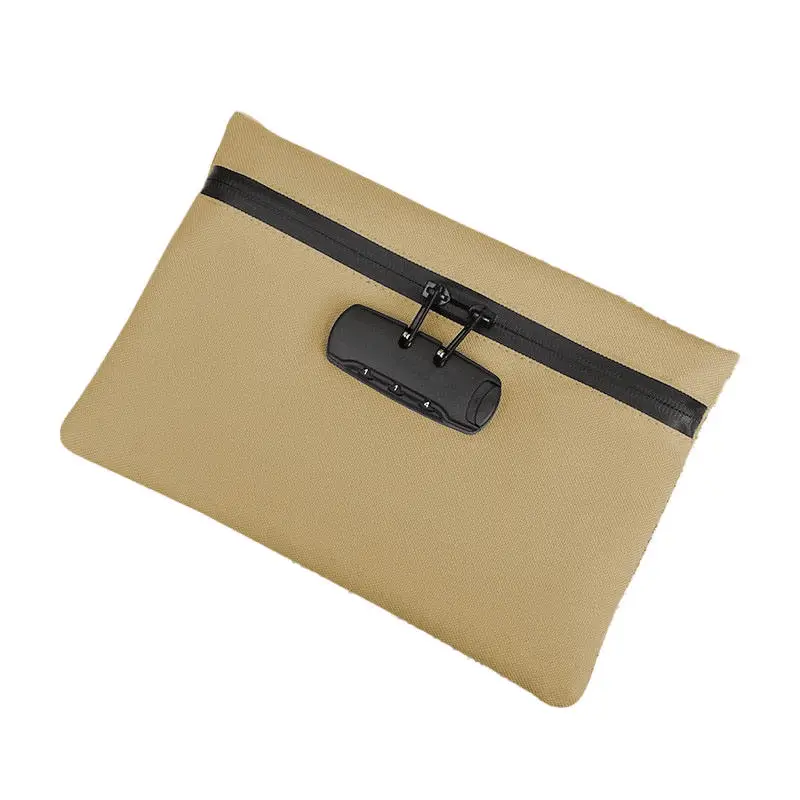
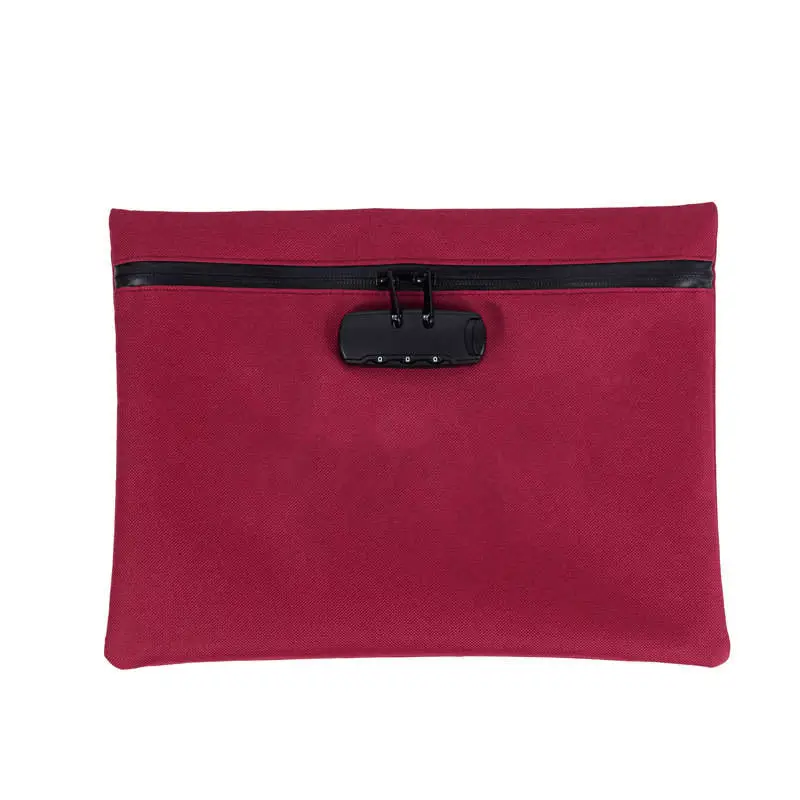
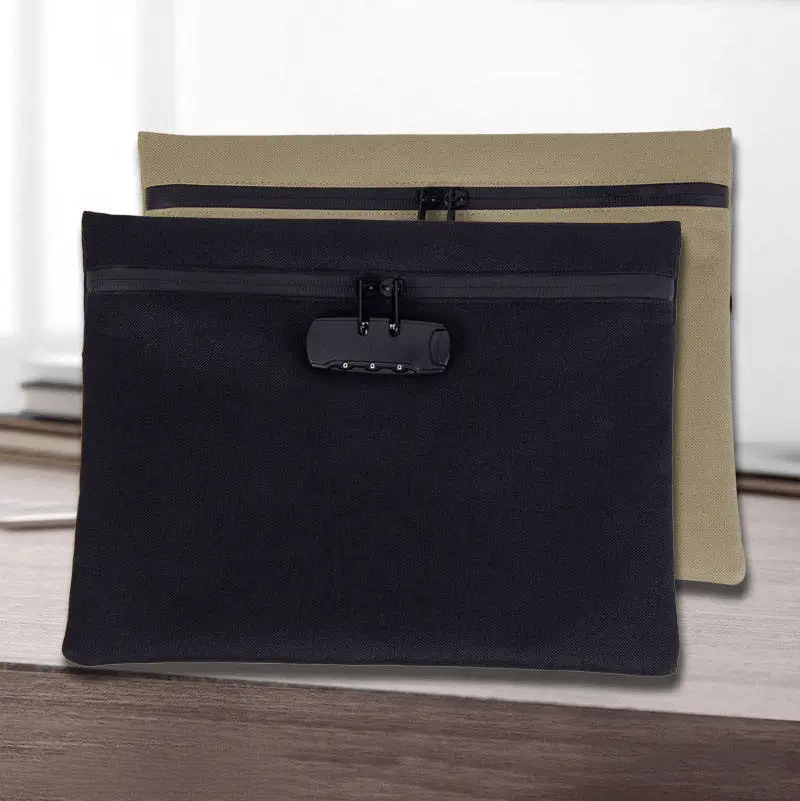
The reference shows two pulls engaging a three-dial lock. Check that both seat without forcing the fabric, release at the correct code and stay clear of the contents. Ask for written setup/reset instructions for the selected lock model and validate them with a sample. Agree who sets the initial codes, who receives the instructions and what happens after a forgotten code; do not assume a key override or a universal reset procedure.
A reusable combination lock provides a closure function. It does not by itself prove tampering, record access or make a textile pouch a safe. If a handover process needs numbered seals, barcodes or document windows, develop those as specified additions with an inspection and record-keeping procedure. No fire rating, cut resistance, waterproofing or banking approval is established by these photographs.
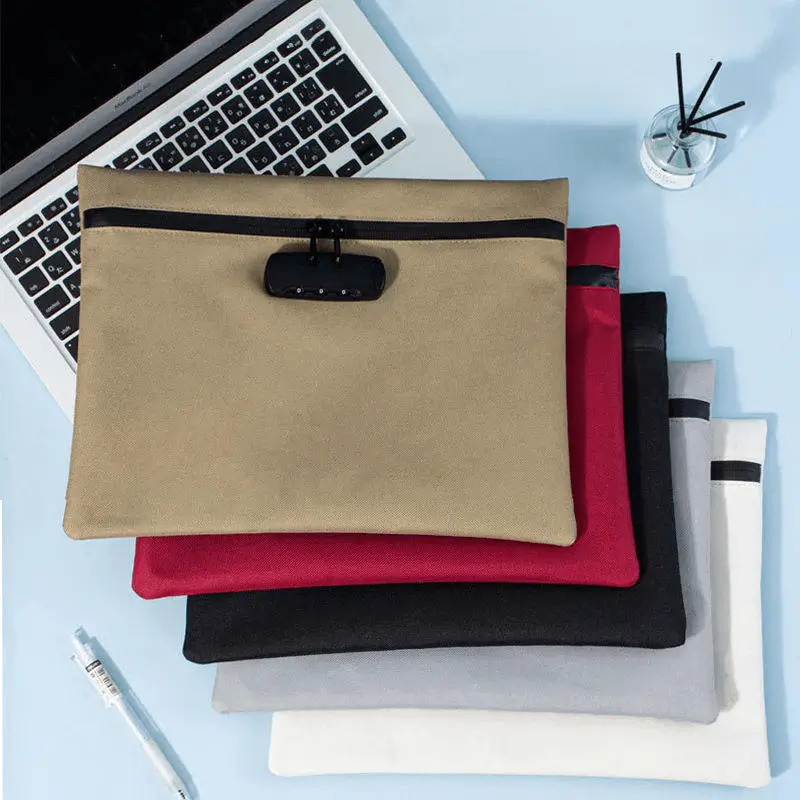
MerrisBags coordinates factory OEM/ODM pattern work, fabric/lining sourcing, lock and zipper matching, branding and packing. Discuss body size, reinforcement at the lock, lining, identifiers, logo position and colour coding. The legacy name refers to polyester, but composition, fabric grade and coating require a swatch specification. A revised lock position or document layout may need a new pattern and separate development charges.
The existing planning reference is US$1.50–3.00 with MOQ 500, subject to final construction. Confirm the included lock, zipper, lining, labels and packing in a dated quote; separate samples, tooling and shipment basis. Agree filled-closure, code operation, pull engagement, seam and identifier checks, the sample approver and lead-time start event. For numbered variants, reconcile IDs to cartons and define duplicate/missing-number handling. Retain the approved lock model and fabric references; require approval for substitutions and inspect the packed pouch for lock impressions or zip distortion.
Review sampling and production development
The photographs show two zipper pulls engaging a three-dial combination lock. Verify the selected lock, pull dimensions, code operation and filled closure on a physical sample. The visible assembly does not establish a security rating.
No verified dimensions are supplied in the image set. Share the intended document/envelope size or device dimensions and the maximum stack thickness. Approve usable internal space and zipper clearance on a sample before claiming a specific fit.
No. A reusable lock does not automatically leave evidence of access. A handover process needing tamper evidence requires a specified seal or closure and inspection procedure, potentially with controlled identifiers and reconciliation records.
Request instructions for the exact lock model and verify setup/reset with the approval sample. Agree initial-code responsibility and how users receive the instructions. Do not assume a key override or a reset method that works on every model.
Discuss dimensions, fabric, lining, lock position, reinforcement, zipper, colour coding, labels, barcode/window options and packing. OEM can revise this reference; ODM can develop a different access layout. Confirm development/tooling and sample charges separately.
The existing planning reference is US$1.50–3.00 and MOQ 500, subject to final material, lock and variant confirmation. Obtain a dated quote with all component inclusions and delivery basis. Retain the approved lock/fabric sample and require approval before any supplier or component changes.